Inform | Influence | Empower

Website Search:

News

Celebrating HAAR’s First Black President & a Legacy of Service

02/16/2026

Trailblazing Excellence: Celebrating Clifton “Clif” Miller

This Black History Month, the Huntsville Area Association of REALTORS® (HAAR) is proud to honor a true pioneer in our industry and community: Mr. Clifton “Clif” Miller.
When we speak of “Black History,” we aren’t just looking at the distant past—we are looking at the leaders among us who broke barriers and set a new standard for excellence. Clif Miller is a testament to that legacy.

From Defending Homes to Defending Homeownership

Born and raised in Hale County, Alabama, Clif’s journey to success in real estate was paved with discipline and bravery.
Before he was a REALTOR®, he was a soldier. Clif dedicated over 20 years of his life to the U.S. Army, retiring at the rank of Major. His distinguished military career was marked by a Bronze Star, awarded for his outstanding service during the 1991 Persian Gulf War.
In 1995, Clif transitioned from defending homes to defending homeownership. He brought that same military precision, integrity, and heart to his second career in real estate.

A Historic Presidency & A Record of Excellence

In 2008, Clif Miller made history as our first African American President in HAAR history. His leadership during that year wasn’t just symbolic—it was transformational.
His commitment to the industry continued after his presidency to earn Mr. Miller the 2013 HAAR REALTOR® of the Year award.
This honor, one of the highest a member can receive, recognized his professional achievements, his “REALTOR® Spirit,” and his tireless work in civic and community affairs.

Leadership Beyond the Sale

Clif’s impact stretches far beyond the closing table. A man of deep faith and community conviction, he has served on numerous boards and played a pivotal role at the state level as a Commissioner for the Alabama Real Estate Commission (AREC).
His life is a masterclass in “Service Above Self.” Whether it is through his leadership in the Madison Civitan Club, his lifelong brotherhood in Phi Beta Sigma Fraternity, Inc., or his active involvement in his church, Clif has spent decades building up the people around him.

A Legacy in Motion

Today, we salute Clif Miller not just for the history he made, but for the path he cleared for future generations of real estate professionals. He proved that excellence knows no color, and that leadership is defined by how much you give back to the community that sustains you.

Please join us in celebrating a veteran, a leader, and a true Alabama icon: Mr. Clifton Miller.

Read More

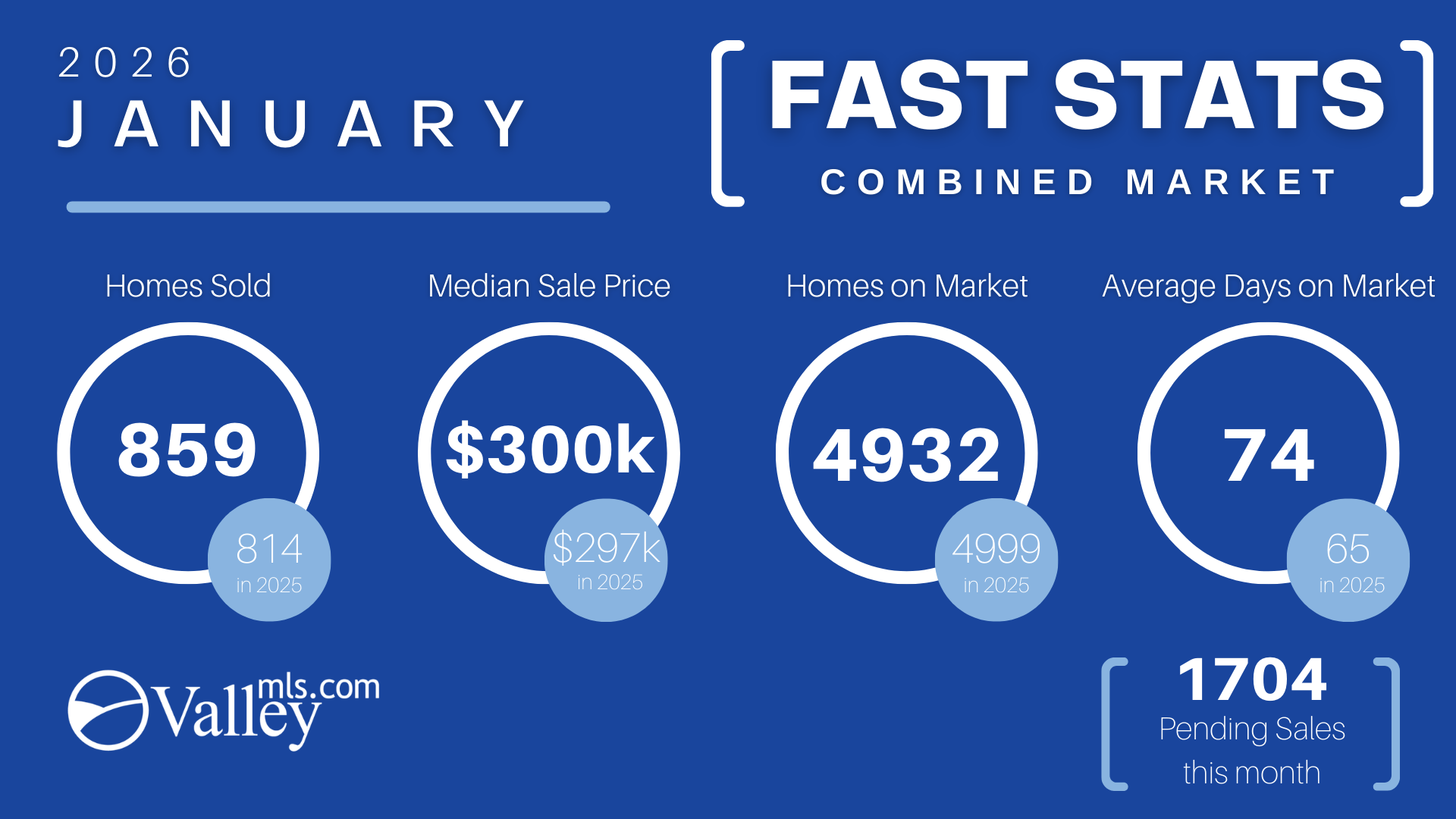
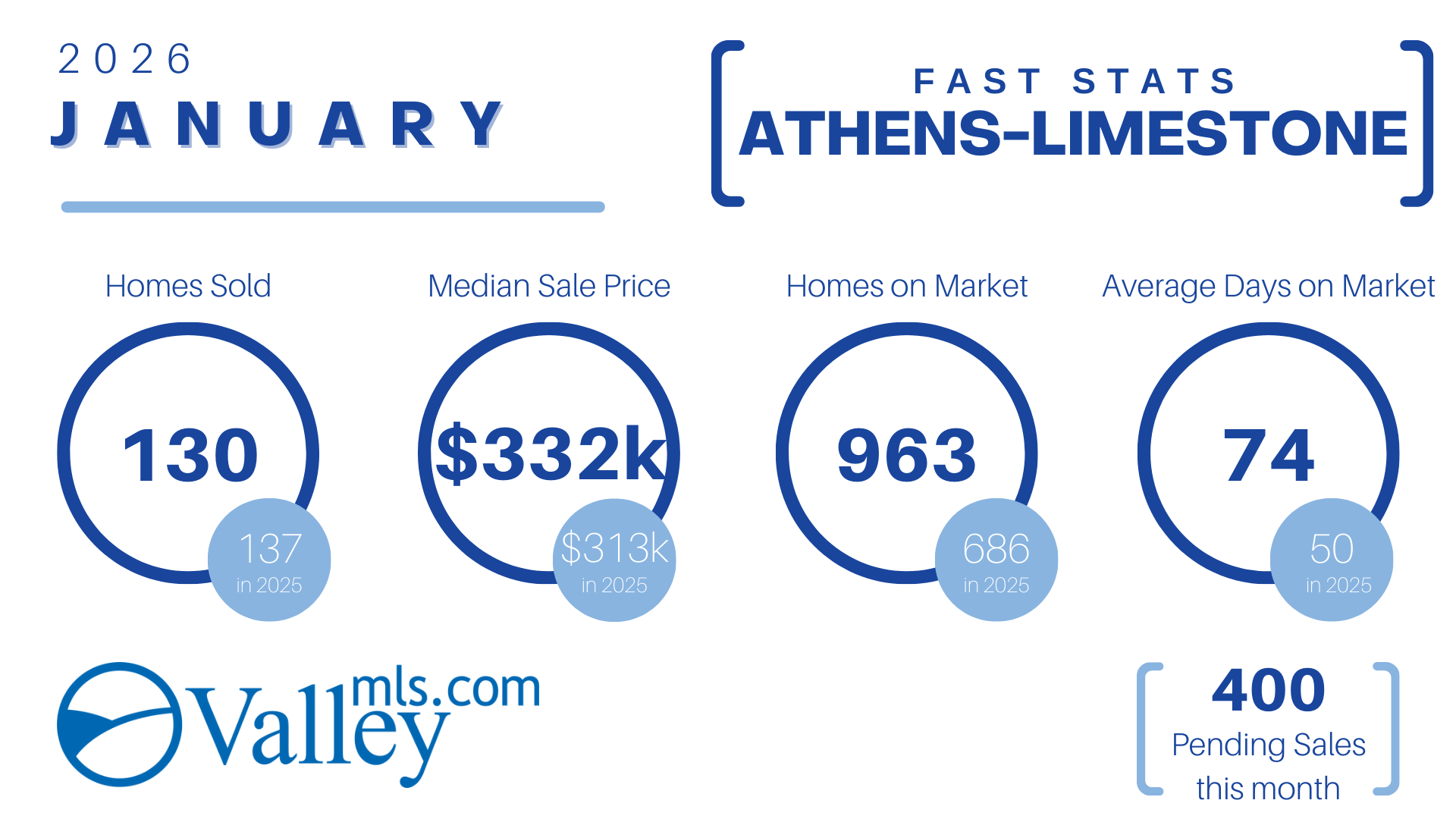
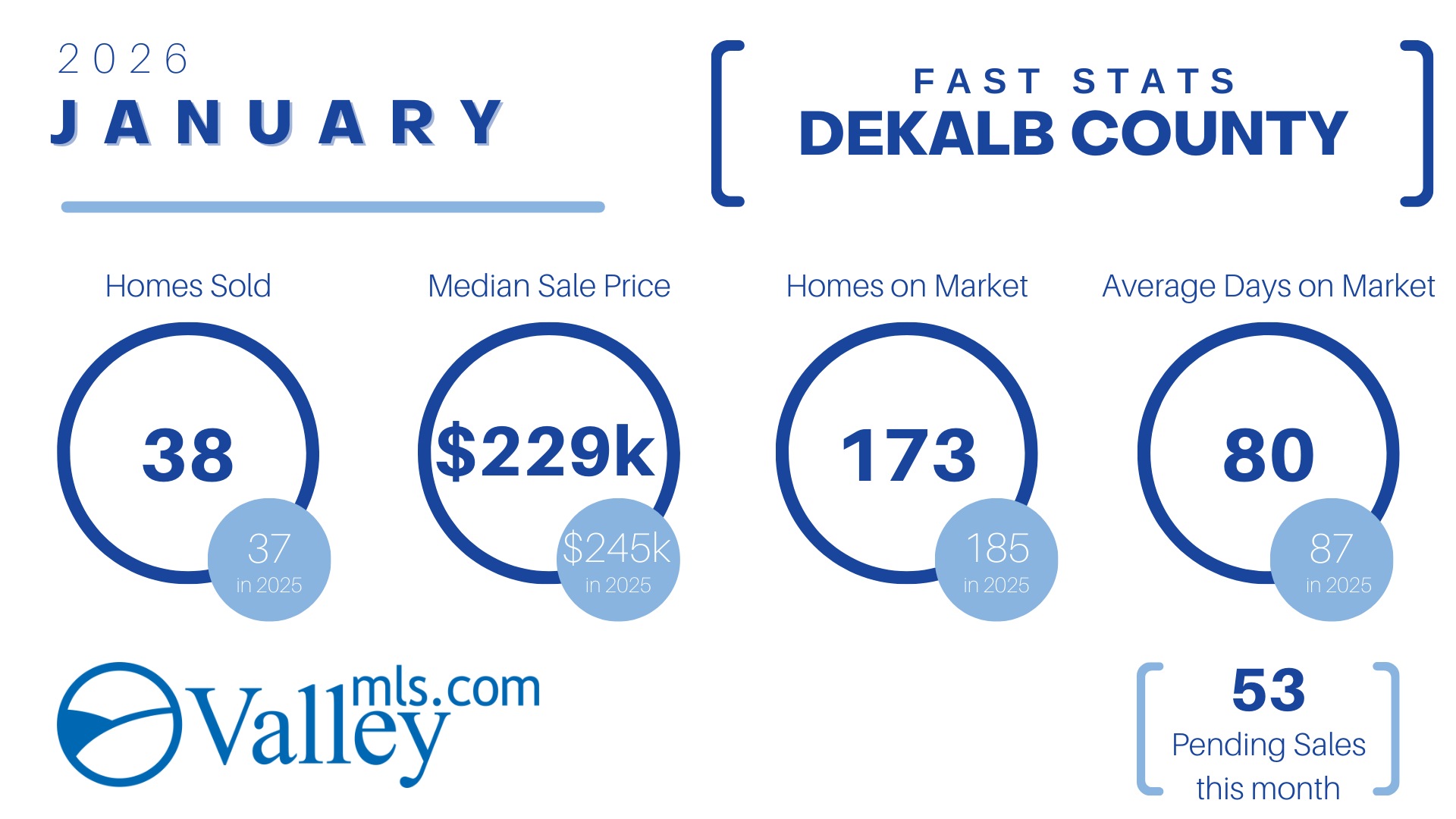
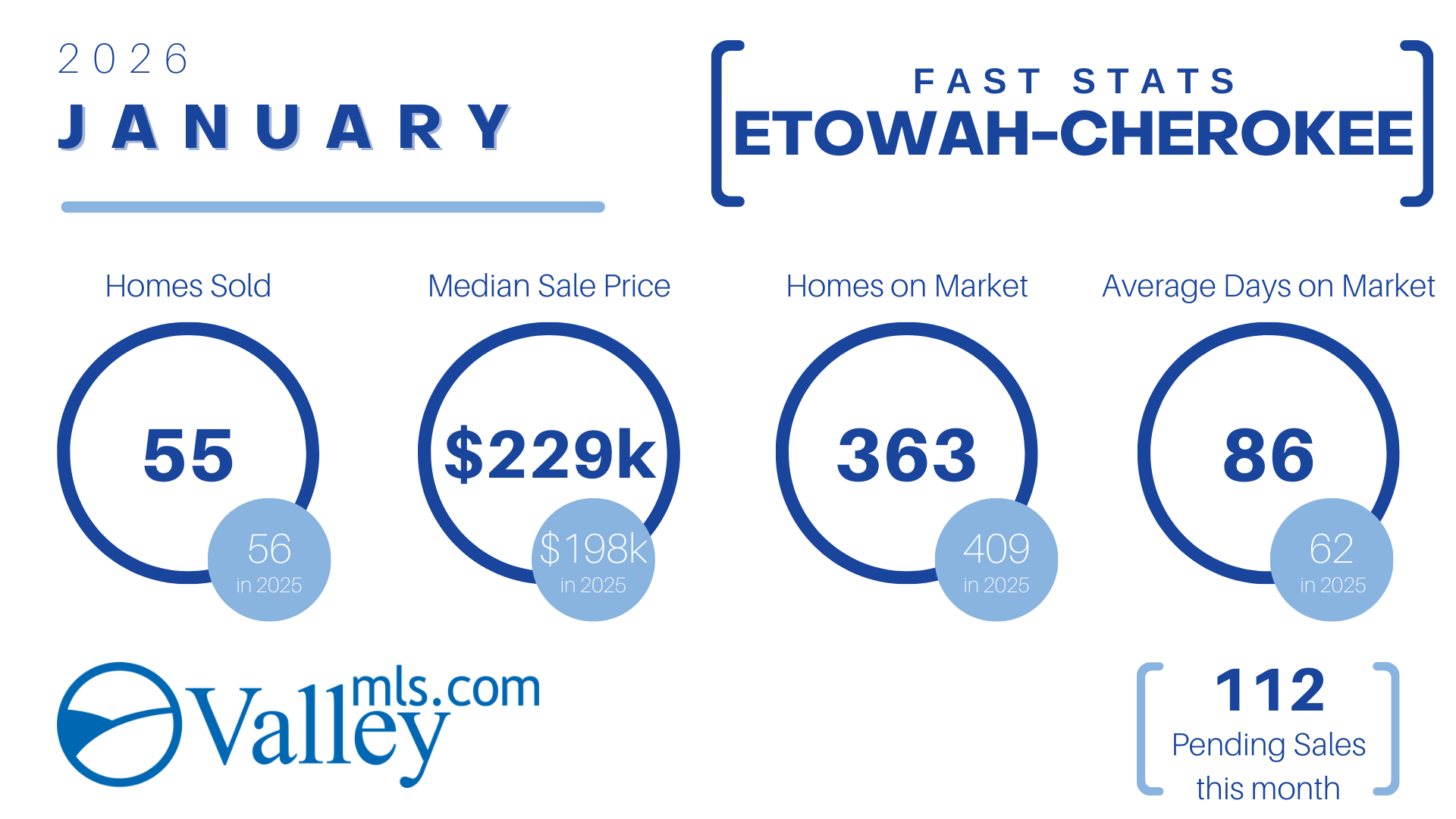
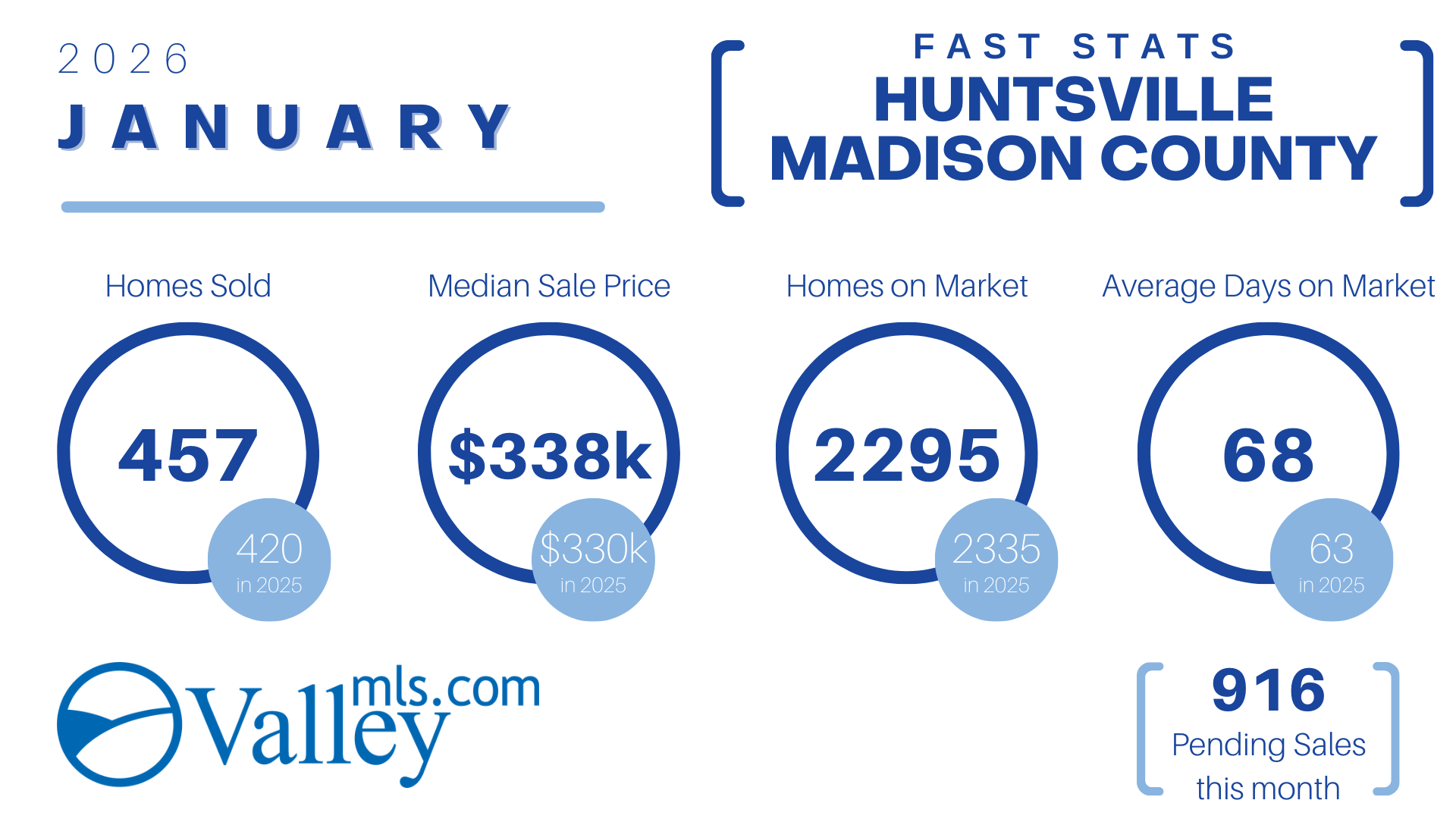
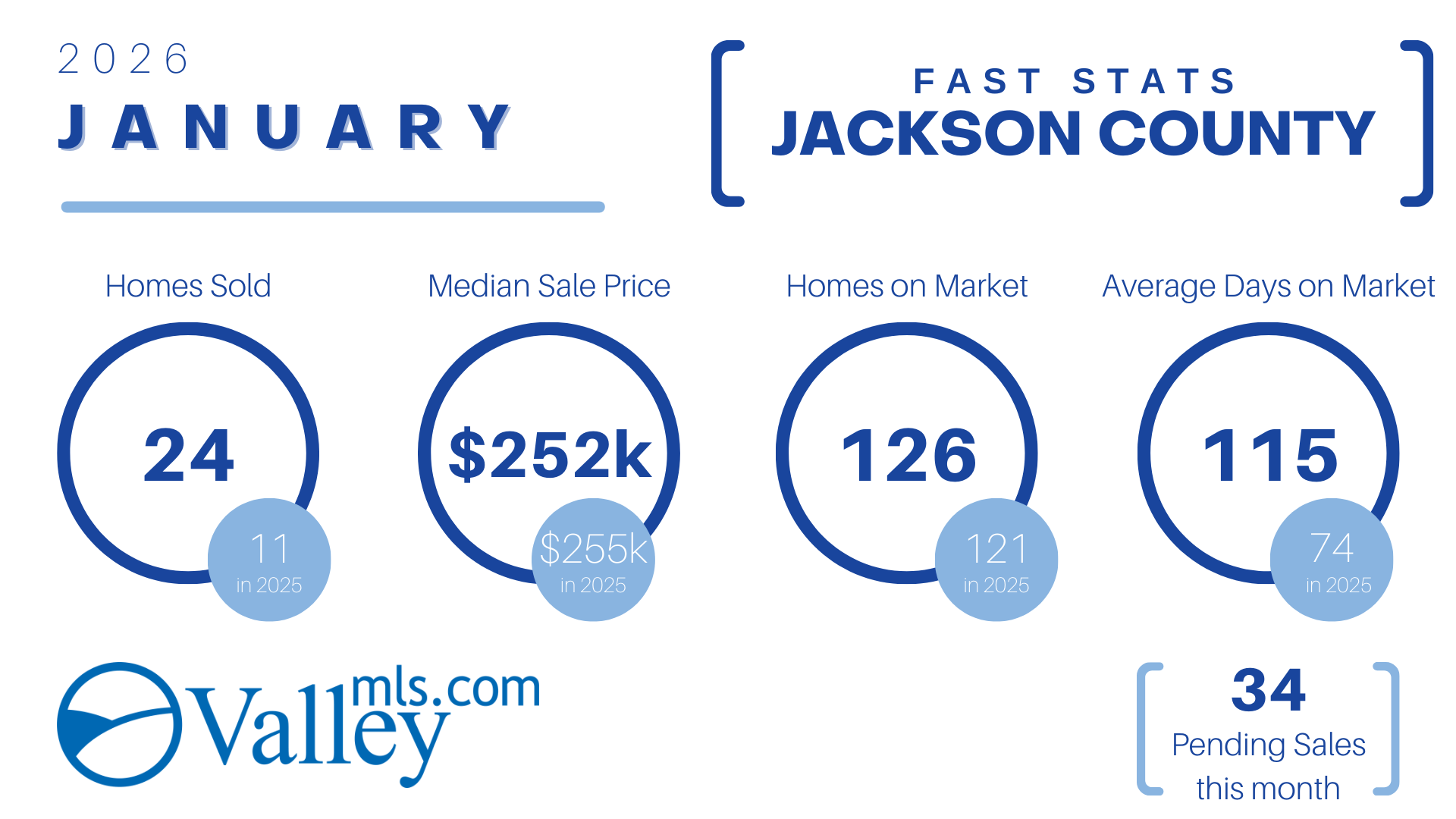
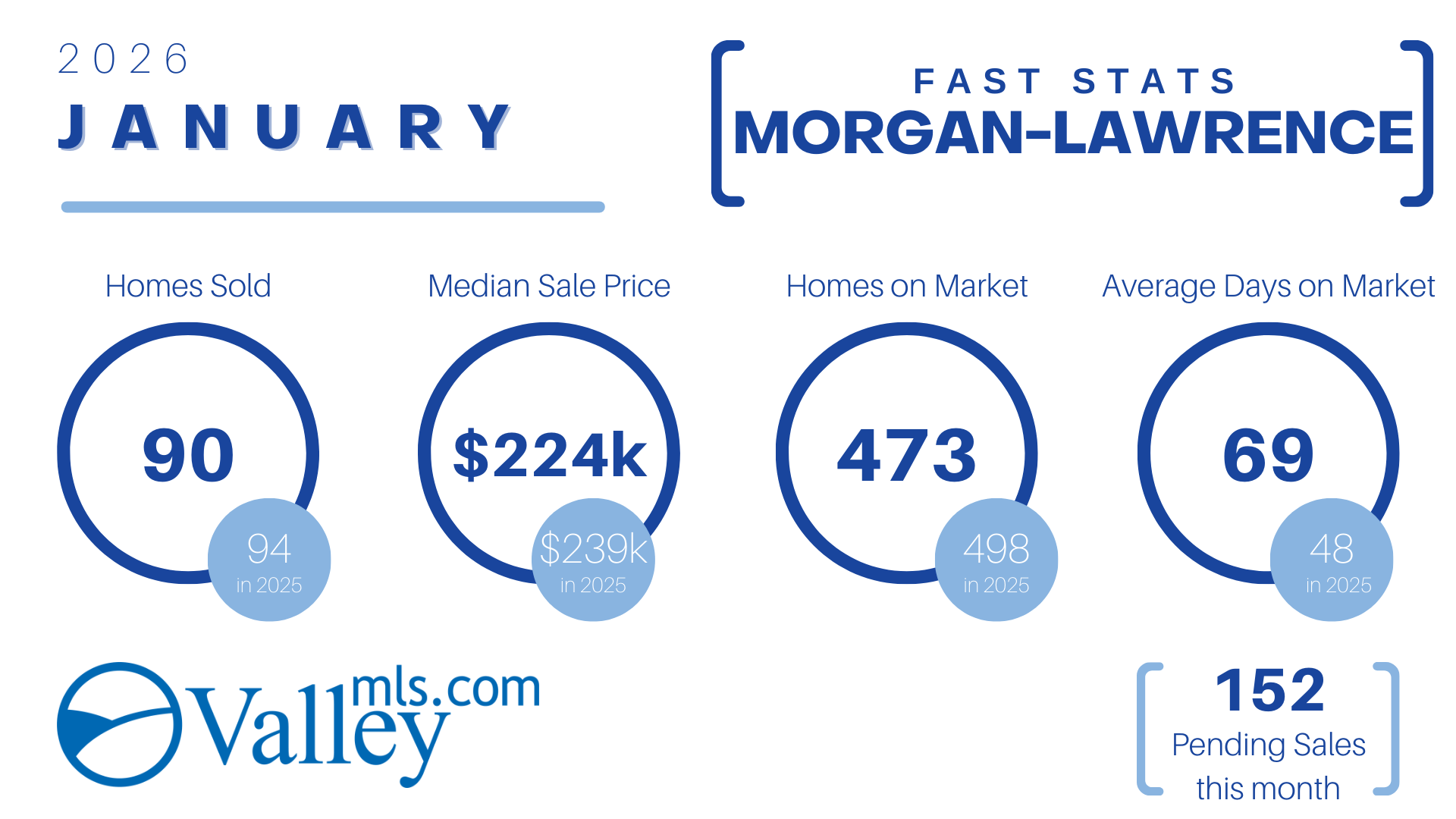
January 2026 Fast Stats

02/16/2026

ValleyMLS.com Market Stats include statistics from the following cities/counties: Athens, Limestone County, Dekalb County, Etowah County, Cherokee County, Huntsville, Madison County, Jackson County, Marshall County, Morgan County, Lawrence County

Read More

How to Create a Real Estate Marketing Plan for the Off-Season

02/09/2026

Here's how to create a real estate marketing plan that turns the off-season into a season of opportunity

The off-season in real estate can feel like a slow slog, but with the right marketing plan, it can become an opportunity to stand out, build relationships, and prepare for the busy months ahead.
Instead of waiting for the market to heat up, why not use this time to refine your strategies, connect with potential clients, and position yourself as a top agent?
Here’s how to create a real estate marketing plan that turns the off-season into a season of opportunity.
Read More

 Reflections on Black History Month 

02/06/2026

A note from HAAR & ValleyMLS President Regina Mitchell on Black History Month

Dear Members of the Huntsville Association of Realtors,
As we celebrate Black History Month, I am honored to reflect on the profound impact African Americans have made—not only in our nation’s history, but within our communities, our industry, and the real estate profession as a whole.
Black History Month is a time to recognize resilience, innovation, and leadership in the face of adversity. It is also a time to acknowledge the pioneers who paved the way for equitable housing opportunities and fair access to homeownership—cornerstones of the American dream. Their perseverance laid the foundation for the work we continue today.
As an African American woman and the President of the Huntsville Association of Realtors, I am especially proud to lead an organization that values diversity, inclusion, and opportunity for all. Our strength as an association lies in our ability to come together, learn from one another, and serve our clients and community with integrity and purpose.
Let this month serve as both a celebration and a call to action—encouraging us to honor the past, engage in meaningful conversations, and remain committed to advancing fair housing and equal opportunity. By doing so, we ensure that the legacy of those who came before us continues to shape a stronger, more inclusive future.
Thank you for your continued dedication to our profession and to the communities we proudly serve.
With gratitude and pride,


Regina Mitchell
President
Huntsville Association of Realtors®
Read More

Affiliate Appreciation Luncheon

02/06/2026

Growing Together at the Table is an affiliate appreciation luncheon designed to reconnect our affiliate […]

Read More

BHM26: A note from HAAR’s Diversity Committee Chair

02/02/2026

A note from HAAR Diversity Committee Chair Demberia Grandy:

As we kick off Black History Month, I find myself reflecting on more than just the dates and figures in our history books. To me, this month is a profound reminder of the resilience that is woven into the American fabric. It is a time to honor the ancestors who turned ‘no’ into ‘not yet’ and ‘impossible’ into ‘watch me.’
For us as REALTORS, Black History Month carries a unique weight. Our industry sits at the very heart of the American Dream: homeownership. We cannot ignore that for many Black families, the journey toward that dream was paved with systemic obstacles. But we also celebrate the victories—the trailblazing Black brokers and agents who fought for Fair Housing and the families who built generational wealth against all odds.
Determination shouldn’t have an expiration date. While February gives us a focused spotlight, the ideals of the struggle and the joy of the victory must be our North Star all year round. Inclusion isn’t a monthly theme; it is a daily commitment to ensuring every member of the Huntsville community feels seen, heard, and empowered to own a piece of the land they call home.
We have an incredible year planned, filled with education, advocacy, and community building. But we can’t do it alone. We need your voice, your energy, and your perspective.
If you are interested in joining the Diversity Committee or simply want to learn more about our upcoming initiatives, please reach out.
Read More

Fair Housing in Action

01/29/2026

Fair Housing in Action (3 CE) Class Description: This 3-hour CE elective shows how important Fair […]

Read More

Chicago brokers share how to scale real estate teams and win in 2026

01/21/2026

At A and N Mortgage’s first Power Hour of the year Jan. 15, Matt Laricy, managing broker at Americorp Real Estate and team lead of The Laricy Team, and Jill Silverstein, president of the JS Group at Compass, pulled back the curtain on how top-producing teams can scale without losing their edge. The panel, titled “Scaling Smart: When to Hire, When to Outsource, When to Grind,” drew agents looking for concrete strategies to grow in the Chicagoland market. 

Planning in Q4 for 2026 

Laricy opened by stressing that success in January is built months earlier. He reviews every lost listing and client who chose another agent, saving their feedback and using it to rebuild his playbook for the coming year. “I’m planning January in September, October, November,” he said, explaining that weaknesses identified in the prior year become targets for improvement so they can turn into strengths in 2026. 
Anticipating a surge in demand, Laricy has grown his team ahead of the curve, hiring and training agents and adding virtual assistants in the Philippines to handle late-night scheduling and logistics. That move, he said, protects his in-office staff from burnout while ensuring every opportunity is captured during peak season. 
He also pushes buyers to think strategically about timing, often advising January and February shoppers with spring leases to extend to late summer or fall so they can skip “waiting in line like a club to get into a property” and buy when competition eases. 

Coaching buyers to compete 

Silverstein focused on front-line execution with buyers, especially in multiple-offer situations. She coaches clients to treat every showing as an audition: dress well, introduce themselves to the listing agent, and come across as “warm, easy, rational, fair” so they stand out when offers pile up. In a market where most offers are over asking, “as is,” and accompanied by appraisal waivers, she said the difference is often in presentation and process, not just price. 
Her team’s offers are packaged with a buyer profile, JS Group accolades, and a tailored cover letter that humanizes the deal while staying within fair housing guidelines. Strong terms on earnest money, timing and flexibility around the seller’s needs round out the strategy. 
On the agent side, both Laricy and Silverstein criticized “text-only” negotiators; Silverstein tells her team, “Call the agent. Call the agent. Call the agent every time,” while Laricy admitted he’ll take a lower offer with a strong, responsive agent over a higher offer from someone who won’t pick up the phone. 

Hire before you feel ready 

 On hiring and scaling, Silverstein said while it’s good to understand what you’re good at, it’s also to know what you’re bad at.  
“I worked to be able to hire an assistant because I knew that was going to be the ticket to help me scale,” she said. 
Silverstein hit $11 million in volume in her first year, largely from open houses and relentless networking, then hired an assistant just 10 months in so she could focus on prospecting and brand-building. A later hire — a dedicated transaction manager — was “pivotal,” allowing her to hand off contract-to-close and stay in growth mode. 
Laricy, meanwhile, described his hiring filter as simple but strict: undying loyalty, work ethic and cultural fit. Candidates meet him, then existing team members, because “we’re like a family,” he said, and he refuses to carry agents who treat real estate as a part-time hobby.  
For agents in Chicago, the message from both panelists was clear: plan early, hire before you feel ready, outsource the noise — and grind where your unique value is highest. 

Reprinted from: https://chicagoagentmagazine.com/2026/01/15/chicago-brokers-team-growth-2026/

Read More

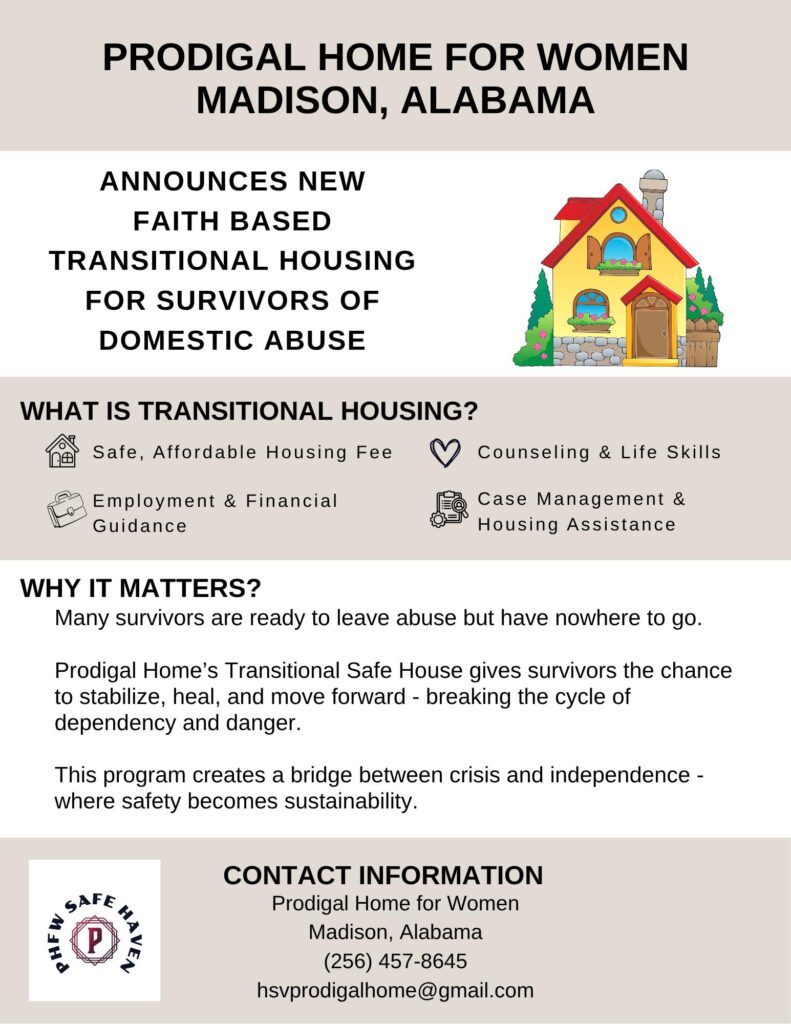
Advocacy Family Network: New Community Resource Center & Transitional Housing

01/21/2026

HAAR is passing along information from the Advocacy Family Network about two new resources now available in our community that may be helpful in your work with individuals and families.


Community Resource Center
The Community Resource Center offers support services and referrals designed to help individuals navigate next steps and access community-based assistance.


Domestic Violence Transitional Housing
This program provides transitional housing options for individuals seeking a safe and supportive environment while working toward longer-term stability.
Attached (or linked below) you’ll find flyers and contact information for both resources. Please feel free to share this information with your teams and include it in your resource materials as appropriate.
If you have any questions or would like additional information, don’t hesitate to reach out. As always, thank you for the work you do and for the collaboration that makes these connections possible.
Read More

NAHB Chief Economist: A rare opportunity for buyers?

01/21/2026

A Q&A with the chief economist at the National Association of Home Builders on construction trends, builder incentives and affordability.
For the first time in years, the price gap between newly built homes and existing homes is narrower than ever—and in some markets, the typical resale home is actually more expensive than a new build. A mix of builder price cuts, widespread incentives and smaller home sizes has brought new-home pricing more in line with resale values, creating a potentially unusual buying window for prospective home buyers.
But challenges persist in the new-home market. Overall, “2025 was a disappointing year for newly built single-family homes,” acknowledges Robert Dietz, the chief economist at the National Association of Home Builders. “We entered the year expecting relatively flat conditions, but with a mix of policy headwinds and economic opportunities, single-family home construction fell by about 7%. Builders consistently pointed to ongoing housing affordability challenges, along with supply side issues like a persistent skilled labor shortage.”
So, what lies ahead for the new-home market and for home buyers? Dietz shares his insights.
What’s your outlook for the new home market for 2026?
We are starting to see some modest improvements. One of the biggest tailwinds is the Federal Reserve’s easing [of its short-term interest rates] late in 2025. While the Fed doesn’t directly control mortgage rates, its actions matter a lot on the supply side—particularly for builders’ financing costs. About two-thirds of home construction is done by smaller, private builders who rely on bank loans to purchase land, materials and pay workers. When the Fed lowers the federal funds rate, it directly reduces the interest rates on construction and development loans. That’s good news for builders, inventory and ultimately for home buyers and renters.
For 2026, we’re forecasting about a 1% increase in single-family home building and a similar 1% gain in new home sales. Existing home sales should rise more sharply as inventory improves, but many of the same challenges—policy uncertainty, lingering tariff effects and the broader housing deficit—will remain.
Builder incentives have been making headlines and are helping to lower the costs for home buyers. Tell us more about what type of incentives builders are offering.
Incentives are very elevated right now, and that’s good news for buyers. About 40% of builders cut prices in December, with average reductions around 5%. Nearly two-thirds are also offering other incentives.
One of the most common tools—especially among larger builders—is mortgage rate buydowns. Builders are using their financial resources to lower buyers’ mortgage rates for the first two or three years, helping to ease monthly payment pressures. Other incentives include amenity upgrades and closing cost assistance, though there are limits to how much builders can offer. Still, it’s one of the industry’s main ways of responding to ongoing affordability challenges.
Historically, new homes have been more expensive than existing homes. But is that changing?
This is one of the real oddities in today’s data. Right now, the median resale home is actually more expensive than the median newly built home. That’s only happened a handful of times over the past few decades.
Typically, new homes carry a 10% to 15% price premium because they offer more amenities, lower maintenance costs and newer systems. But today’s builder incentives—combined with more construction happening in lower-cost areas—have flipped that dynamic.
It’s also a sign of the larger structural housing deficit. Even with inventory increasing in many markets, the housing stock simply hasn’t kept pace with population growth. That imbalance continues to show up in prices.
You’ve often said we need to “build our way out” of the affordability crisis. What does that look like?
The only long-term solution to housing affordability is more supply—more single-family homes, more multifamily units, more homes for sale and for rent. A clear indicator of the shortage is that nearly 20% of young adults now live with their parents. Historically, that figure was closer to 10%. That doubling is a direct reflection of the housing deficit we’re facing.
One area that’s seen growth on the construction side is townhomes. Why are they gaining traction?
Townhomes have been one of the bright spots in an otherwise challenging market. Today, about 18% of single-family construction consists of townhomes—up from less than 10% a decade ago.
They offer what we call “light-touch density”: a smaller lot, shared walls but still a front door and a path into homeownership. Demand is strong, particularly among younger buyers looking for walkable communities. The challenge is on the supply side—many zoning laws still limit this type of development.
We see real opportunity in redeveloping underused properties, like dying shopping malls, into mixed-use communities with apartments and townhomes. That kind of redevelopment could be a big part of the future.
Are builders also reducing costs by building smaller homes?
Absolutely. The median new-home size has been trending downward for about a decade. There was a brief post-COVID bump due to the “Zoom room” phenomenon, but overall, homes are getting smaller as builders respond to affordability pressures.
Between smaller lots, more townhomes and reduced square footage, builders are actively trying to right-size homes for today’s buyers and budgets—while also working with policymakers to bring costs down further.
Finally, what trends are you watching most closely in 2026 that could impact the new-home market?
Geography is a big one. Markets like Texas and Florida have cooled after years of rapid growth and some cyclical overbuilding. Meanwhile, we’re seeing pockets of strength in the Midwest—places like Columbus, Ohio, Indianapolis and Kansas City.
These markets remain more affordable, are close to major universities, and are well positioned for AI and tech investment, where managing energy and heat costs matters. In fact, single-family home construction in the Midwest was already up in 2025, even as it declined nationally. We expect that outperformance to continue into 2026.
Read More