Inform | Influence | Empower

Website Search:

News

21st Century ROAD to Housing Act: What Real Estate Professionals Need to Know

08/10/2026

Signed into law on July 11, 2026, the 21st Century ROAD to Housing Act introduces sweeping federal housing policy reforms. Designed to expand housing supply, streamline zoning, and adjust funding for local communities, this legislation directly influences residential real estate markets, inventory levels, and client advisory strategies.
Here is a breakdown of what realtors need to know to stay ahead of these regulatory shifts.

Key Takeaways for Real Estate Professionals

  • More Inventory on the Horizon: Federal incentives for “pattern-book” zoning, single-stair designs, and commercial-to-residential conversions (RESIDE pilot) aim to fast-track small-scale multifamily housing, townhomes, and infill developments.
  • Institutional Investor Limits: Effective January 7, 2027, large institutional investors owning 350+ single-family homes are barred from making additional purchases, subject to specific build-to-rent and rehabilitation exceptions. This shift aims to reduce competition for individual homebuyers in local markets.
  • Expanded Financing Flexibility: Adjustments to the HOME Program expand income eligibility up to 100% of the Area Median Income (AMI), boosting opportunities for shared-equity and homeownership assistance programs.
  • Manufactured Housing Expansion: States must establish parity for manufactured housing financing, titling, and installation standards by July 11, 2027, opening up affordable homeownership options.
  • Public Land Transparency: Localities receiving CDBG funds must create a searchable database of undeveloped, publicly owned land, unlocking potential opportunities for residential infill development.

Institutional Investor Restrictions

Restricts entities with 350+ single-family homes from buying additional properties (starts Jan 2027).
Decreases large-scale investor competition for starter homes, opening inventory for primary buyers.

Commercial-to-Residential Conversions

RESIDE pilot authorizes $1M–$10M grants to convert vacant commercial spaces into housing.
Repurposes unused commercial properties into residential density, revitalizing urban corridors.

Zoning & Permitting Grants

Funds pattern-book preapproved designs and zoning modernization for local governments.
Shortens development timelines for duplexes, townhomes, and missing-middle housing.

CDBG Allocation Adjustments

Increases or decreases local CDBG funds based on housing-unit growth metrics.
Pressures local governments to approve more residential housing permits to avoid losing federal funds.

Manufactured Housing Parity

Requires equal legal, tax, and financing treatment for manufactured homes across state agencies.
Expands affordable, non-traditional inventory options for budget-conscious buyers.

How to Leverage These Changes for Your Business

  • Guide First-Time Homebuyers: Educate buyers on updated HOME Program flexibilities, higher AMI limits, and expanded access to shared-equity arrangements.
  • Monitor Infill Development Potential: Track your local municipality’s public land database to identify prospective parcels slatted for residential development.
  • Advise Local Investors: Stay updated on commercial conversion projects in your farm area to identify emerging residential micro-markets early.
  • Prepare for Institutional Shifts: Help local buyers capitalize on reduced institutional competition in the single-family market starting in early 2027.
While several competitive grant provisions require future Congressional appropriations to deploy fully, mandatory requirements like investor limits and manufactured housing parity will take effect on schedule. Keep an eye on local municipality zoning updates as cities position themselves to compete for federal housing funds.
Read More

Apply for 2026 Officer or Director Positions

08/10/2026

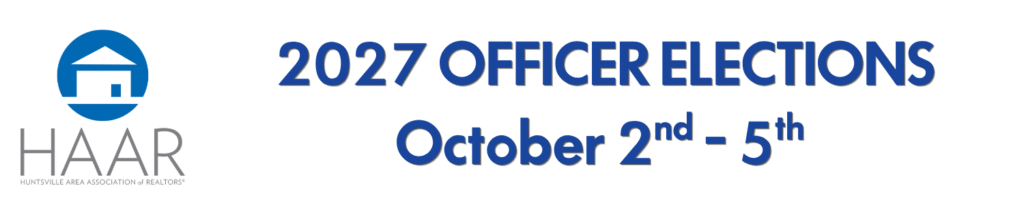
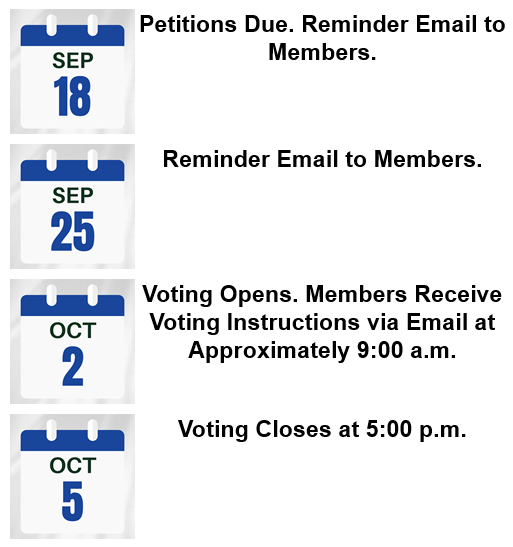
The time for our annual election of Officers & Directors is here! Click below to apply for Officer or Director positions. 
All applications must be received via the online portal below before 5:00pm on Friday, August 14th.
Read More

The “Interested Buyer” Zoom Scam: A Growing Cybersecurity Threat Targeting REALTORS® and Real Estate Brokerages

08/05/2026

The real estate industry has become one of the most attractive targets for cybercriminals. With high-value transactions, frequent email communication, and sensitive financial information changing hands daily, REALTORS® and brokerages are increasingly finding themselves in the crosshairs of sophisticated scams.
One of the latest threats involves scammers posing as motivated home buyers who claim they’re ready to submit an offer—but instead attempt to install malware on your computer and gain access to your business.
This scam doesn’t rely on hacking software vulnerabilities. Instead, it relies on manipulating people.
Here’s how it works—and how you can protect yourself and your brokerage.

How the Scam Begins

The attack usually starts within hours or days of a new property being listed.
An agent receives a text message from an unfamiliar phone number, often from another state.
The sender claims they are interested in the property, have proof of funds, and are prepared to make an offer quickly.
For busy REALTORS®, this sounds like a promising lead.
That’s exactly what the scammer wants.

Step One: Establishing Trust

Once you begin responding, the individual introduces themselves by name and often sends what appears to be a personal photo.
The image is intended to make the conversation feel legitimate.
In reality, the name is frequently fictitious, and the photo has often been stolen from someone else’s social media profile or other online source.
This is a classic social engineering technique designed to lower your defenses.

Step Two: Avoiding an In-Person Showing

Eventually you’ll ask when they’d like to view the property.
That’s when the story changes.
The “buyer” explains that their spouse, business partner, or friend is out of town and needs to participate in the discussion.
They insist on scheduling a three-way Zoom meeting before moving forward with an offer.
While Zoom is the most common platform used in these scams, some criminals may request Google Meet or Microsoft Teams instead.

Step Three: They Insist You Use a Computer

This is where the scam becomes more obvious—if you know what to look for.
If you suggest joining from your phone, the scammer may claim:
  • Zoom doesn’t work on mobile devices.
  • Three-way meetings require a desktop or laptop.
  • Their meeting can only be joined from a computer.
None of these statements are true.
If you recommend a phone call, conference call, FaceTime, meeting at your office, or showing the property in person, they’ll continue insisting that a Zoom meeting on a computer is the only acceptable option.
At the same time, they’ll continue reminding you they’re ready to write an offer—creating a false sense of urgency.

Step Four: The Fake Zoom Invitation

Once you agree to the meeting, you’ll receive an email containing what appears to be a Zoom invitation.
At first glance, everything looks legitimate.
However, the link does not lead to Zoom’s official website.
Instead, it redirects you to a malicious website designed to look nearly identical to the real thing.

Step Five: The Fake Zoom Update

After clicking the link, you may see what appears to be a normal Zoom loading screen or video conference interface.
Moments later, a message appears claiming that Zoom must be updated before you can join the meeting.
Your operating system asks whether you’d like to allow the installation.
If you click Yes, you aren’t installing Zoom.
You’re installing malware.

What Happens After Malware Is Installed?

The malware installed during these attacks varies, but it may include:
  • Password stealers
  • Keyloggers
  • Remote access software
  • Browser credential theft
  • Screenshot capture software
  • Information-stealing malware
Once attackers gain access to your computer, they often attempt to harvest usernames, passwords, browser cookies, saved credentials, and email accounts.
For a real estate professional, that can become much more than a computer problem.
It can become a transaction problem.

Why This Is Especially Dangerous for REALTORS® and Brokerages

Real estate transactions involve large sums of money, confidential documents, and ongoing communication between agents, buyers, sellers, lenders, attorneys, and title companies.
If criminals gain access to your email account, they may:
  • Monitor active transactions.
  • Identify pending closings.
  • Learn buyer and seller names.
  • Read conversations with title companies.
  • Impersonate you or your clients.
  • Request fraudulent wire instructions.
This type of business email compromise (BEC) has resulted in millions of dollars in stolen real estate closing funds nationwide.
One compromised computer can put multiple transactions—and your reputation—at risk.

How to detect the scam early on

1. A reverse search of the phone number reveals that it is owned by someone other than the name they provided, or will show that number has never existed.
2. A Google image search of the photo they provided will reveal a different name associated with the photo. It’s usually someone who is deceased, but that is not always the case.
3. The constant insistence on using Zoom, Meet, or Teams rather than a phone call, meeting in the office, etc.
4. The false claim that the only way it will work is on a laptop or PC.
5. If they do send the so called Zoom link via email, usually, hovering over the link they want you to click will reveal the real website they are directing you to, even if the email looks legitimate. 

Read More

Office Exclusive Listings & Pre-Marketing Guidance

07/30/2026

NAR has issued guidance on office exclusive listings and pre-marketing. Please review or download the guide below. 
Read More

Ask the Economist: Which type of home is leading today’s housing market?

07/21/2026

NAR Chief Economist Lawrence Yun explains the latest trends and what they mean for today’s buyers and sellers. Got a question for our economists? Email AskTheEconomist@nar.realtor.
Read More

Celebrating Excellence: Congratulating Our New SRES® Designees!

07/17/2026

At HAAR, we are committed to providing our community with the highest level of expertise and specialized care. That is why we are incredibly proud to announce our newest group of REALTORS® who have officially earned the Seniors Real Estate Specialist® (SRES®) designation!
By completing this comprehensive course, these dedicated professionals have gained specialized knowledge to expertly guide homebuyers and sellers aged 50 and older through major financial and lifestyle transitions. From navigating relocating and refinancing to managing the emotional and financial complexities of downsizing, our new SRES® designees are uniquely equipped to serve the mature market with patience, understanding, and unmatched expertise.
Please join us in celebrating the hard work and dedication of these outstanding agents:

Our Newest SRES® Designees

Joshua Click

James Cooper

Kelsey Davis

Deborah Duclerc

Cindy Dufrene

Sallye Elliott

Lahoma Hendrix

Blake Landry

Kathy Mann

LePage Owens

Robert Owens

Belinda Reaves

Shannon Roscoe

Sara Runyans

Jennifer Savage

Lisa Simunaci

Richard VanValkenburgh

Carol West

Linda Williams

Pamela Wyatt

Thank you all for your commitment to elevating your education and better serving our community. We look forward to seeing the incredible impact you will continue to make!
Read More

Reminder: SentriLock Access Credentials Must Not Be Shared

07/14/2026

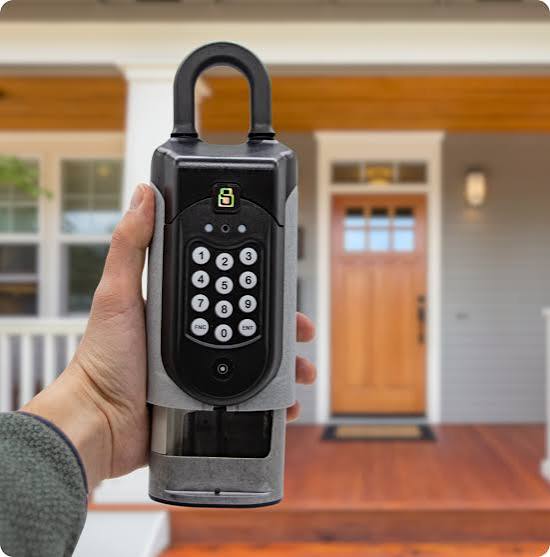
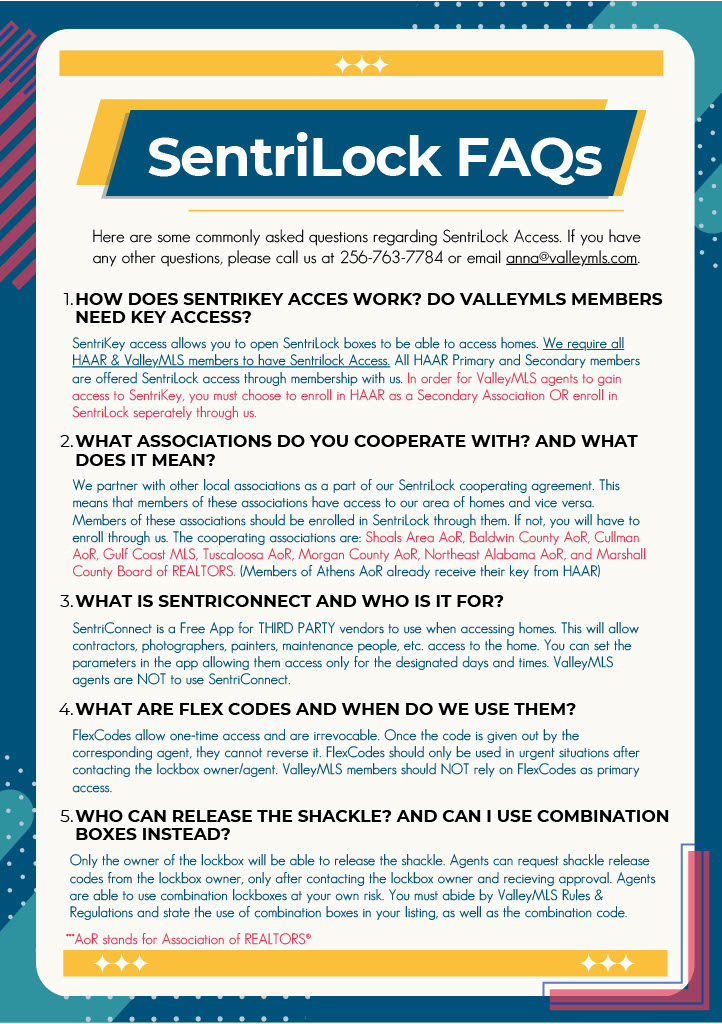
ValleyMLS in conjunction with your local association, would like to remind all Participants and Subscribers that your SentriLock credentials—including your SentriKey® app access and PIN—are issued exclusively for your individual use and may not be shared with anyone, including another ValleyMLS member.
Each licensed agent is required to use their own SentriLock credentials to access listed properties. Sharing your access with another ValleyMLS subscriber, regardless of the reason, is a violation of the ValleyMLS Lockbox Rules and Policies.

Please remember:

Your SentriLock access is assigned specifically to you and is intended to provide a secure, auditable record of property access.
Do not provide your PIN, login credentials, or access to your SentriKey app to another individual.
Do not issue SentriConnect® access to another ValleyMLS subscriber. Subscribers must use their own SentriLock credentials to enter a property.
Never allow another person to enter a property using your credentials while representing that they are you.
Maintaining the integrity of the SentriLock system is essential for protecting property owners, cooperating brokers, and the security of listed properties.

As outlined in the ValleyMLS Lockbox Rules:

Agreement Holders shall not issue SentriConnect® to an agent who is a ValleyMLS subscriber. All agents must obtain and use their own key.
Electronic keys may not be loaned to other agents under any circumstances.
PINs and passwords must not be disclosed or shared with any third party.
Violations of the ValleyMLS Lockbox Rules may result in disciplinary action, including fines of up to $15,000 and/or termination of lockbox services.
We appreciate your cooperation in helping maintain the security and integrity of the lockbox system. If you have questions regarding the proper use of SentriLock or SentriConnect®, please contact your local association or the ValleyMLS office.
Read More

Member Guide: Managing Your Dues & Fees

07/13/2026

Keeping your business running smoothly shouldn’t involve guesswork. Whether you are an agent clearing your individual invoices or a broker managing an entire office, navigating your HAAR dashboard is simple.

Use this quick, step-by-step guide to easily process your payments and keep your account in good standing.

How to Pay your MLS dues

  • Log In: Go to the HAAR Dashboard and sign in using your MLS ID and password (remember, passwords are case-sensitive).

  • Locate Member Services: On the right side of the screen under the Member Services panel, click the “Pay MLS Dues / Invoices” icon.

  • Select Your Invoice: Find your open invoice and check the “Pay Now” box next to it.

  • Complete Payment: Scroll down to the bottom of the page, click “Choose Payment Options,” and follow the prompts to finalize your transaction.

How to Pay Your HAAR / Association Dues

  • Log In: Navigate to the HAAR Dashboard and enter your case-sensitive MLS ID and password.

  • Locate Member Services: On the right side of the screen under the Member Services panel, click the “Pay HAAR/Association Dues/Invoices” icon.

  • Select Your Invoice: Check the “Pay Now” box next to the outstanding dues line item.

  • Navigate to Payment: Scroll down to the bottom of the section and click “Choose Payment Options”.

  • Adjust Contributions (Optional): If you would like to adjust your ARPAC contribution before checking out, click “Modify”, enter your desired investment amount, and follow the remaining prompts to pay.

Broker Instructions: Tracking & Paying Office Fees

Brokers can quickly audit which agents have outstanding balances or easily settle office-wide ValleyMLS fees directly from the platform.

  • Log In: Access the HAAR Dashboard using your administrative credentials.

  • Enter the Invoicing Portal: Look to the right under Member Services and click the “Pay MLS Dues / Invoices” icon.

  • Open the Navigation Menu: Click the three-dash menu icon located on the blue header bar.

  • Select Personal Services: Choose “Personal Services” from the header options.

  • View Office Accounts: From the dropdown menu, select “Brokers: Pay Your Offices MLS Fees”.

  • Choose Your Roster: Click on your designated office name.

  • Review Unpaid Balances: The next screen opens a complete breakdown displaying the agent names, specific invoice numbers, and the total amounts currently owed.

  • Process Payments: If you are paying on behalf of an agent, check the box to the right of their name, scroll down to “Choose Payment Options,” and follow the on-screen prompts.

Read More

5 Questions Consumers Are Asking AI About Real Estate Agents

07/06/2026

Consumers have spent years using Google to research real estate agents. Increasingly, they’re turning to AI tools for answers as well.

Instead of visiting multiple websites, a buyer might ask ChatGPT which agents have strong reputations in a particular market. A seller might ask an AI assistant, Who specializes in luxury homes? or Which agents have the best reviews? While the technology is still evolving, it reflects a change in consumer behavior: people want answers faster, and they’re looking for tools that can summarize information for them.

For real estate agents, that brings up an important question: what information are these tools finding about you? To find out, see the top five questions consumers are asking AI about agents today.

If you’d like to learn more about how online reputation, Google visibility, reviews, and AI-driven search impact lead generation, register for ReTechnology’s upcoming free webinar, Certified Google Rated Agent.

Read More

In memory of Bill McEwen

01/07/2026

Bill McEwen, age 71, of Huntsville passed away on January 4, 2026, in Huntsville, Alabama.
Bill was a lifelong resident of Huntsville, Alabama and a graduate of Lee High School. He was a Realtor with Legend Realty and worked in real estate for the Huntsville metro area for over 48 years.
Visitation
Thursday, January 8
10:00am – 12:00pm
First Baptist Church
600 Governor’s Drive
Huntsville, AL 35801
Funeral Service
Thursday, January 8
12:00pm
First Baptist Church
600 Governor’s Drive
Huntsville, AL 35801
He loved cruising in his vintage Ford Mustangs with the top down and spending weekends at car shows. A lifelong enthusiast, he had a passion for toys of all kinds and often turned the dining room table into a racetrack for his collection of toy race cars. Known for his quick wit and endless supply of dad jokes, he cherished making his kids laugh and embraced his role as “Big Daddy” to his grandkids—a source of comfort and joy, even for his beloved grand dog.
Survivors include his wife, Andra Massey McEwen; his daughters, Brandi McEwen, Ellyn Christian (husband, Kyle) and Britney McEwen; his grandchildren, Emma, Evelyn and KC Christian; sister, Charlynn Jackson (husband, Harold); and several nieces and nephews.
He was preceded in death by his parents, Charles and Evalyn McEwen and his brother, Charlie McEwen.
Visitation will be from 10:00 a.m. to 12:00 p.m. on Thursday, January 8, 2026, at First Baptist Church Life Center, Huntsville, Alabama. The funeral service will follow at 12:00 p.m. with Rev. John Lemons officiating. Burial will be in Maple Hill Cemetery.
In lieu of flowers, the family requests that memorials be made to the First Baptist Church Mission Fund in his memory.
Read More