OCTOBER 8 Update Podcast: What a government shutdown means for real estate
When the federal government closes for business, there’s a ripple effect in the real estate economy. From the National Flood Insurance Program (NFIP) to rental assistance to federal permitting to FHA condo approvals, many of the processes buyers and sellers depend on come to a halt. As always, NAR Advocacy is prepared for the situation! Shannon and Patrick break down what this shutdown means for REALTORS® and give an insider’s perspective into the history of government shutdowns.
OCTOBER 1 Update: Shutdown begins, NAR resources
Congress has failed to pass a proposal providing funding for most government operations. Therefore, spending authority for most of the government expired at midnight on September 30, 2025. Until legislation providing for funding is signed into law, many offices and programs of the federal government are now shut down. This means many, but not all, government programs, including some that impact federal housing and mortgage programs, have been suspended or slowed due to the lapse in government funding.
The Office of Management and Budget (OMB) requires each agency to have contingency plans in place. The information below is based on NAR staff review of agency contingency plans for the current shutdown and past experience with previous shutdowns and near-shutdowns.
NAR’s Shutdown Memo will continuously be updated as we receive new information regarding how relevant programs and agencies are expected to operate during a shutdown including the EPA, HUD, GSEs, IRS, NFIP, Rural Housing Programs, Veterans Affairs, Small Business Administration, and Visa Programs.
Here are eight programs in which NAR members might feel an impact if Congress doesn’t take action by Sept. 30. This article courtesy of REALTOR® Magazine and author Michael Rauber, manager of advocacy communications at the National Association of REALTORS®.
With just a handful of days between now and the FY26 government funding deadline (midnight on Sept. 30), Congress appears to be moving toward a “shutdown showdown.”
The National Association of REALTORS® is working to protect the real estate economy in the event Congress does not pass a stopgap spending measure or reach a larger spending agreement before Oct. 1. Although the House passed a continuing resolution to fund the government through Nov. 21, that measure failed in the Senate.
A government shutdown impacts housing, mortgage lending and other industries crucial to the real estate sector. It also results in a lapse of authorization for the National Flood Insurance Program (NFIP), which NAR says the administration is committed to protecting.
“NFIP supports nearly half a million home sales annually, contributing $70 billion to the U.S. economy and over a million jobs,” says NAR Executive Vice President and Chief Advocacy Officer Shannon McGahn. “We are taking this critical information straight to lawmakers and working with the administration to ensure that NFIP resources are available and can be deployed during a shutdown. Each day a shutdown continues, the effects on the housing sector grow.”
During a lapse, most lending regulators suspend the flood insurance requirement, allowing sales to proceed without coverage. However, this can create complications if a flood occurs and it’s unclear whether the home will be covered retroactively once NFIP is reauthorized.
“NAR has original research and resources to both educate and assist lawmakers and prepare our members for the potential impact of a partial government shutdown. Real estate makes up nearly 20% of the entire U.S. economy, and we encourage the Senate to pass the clean CR that was previously passed in the House to avoid any disruptions in this sector,” McGahn continues.
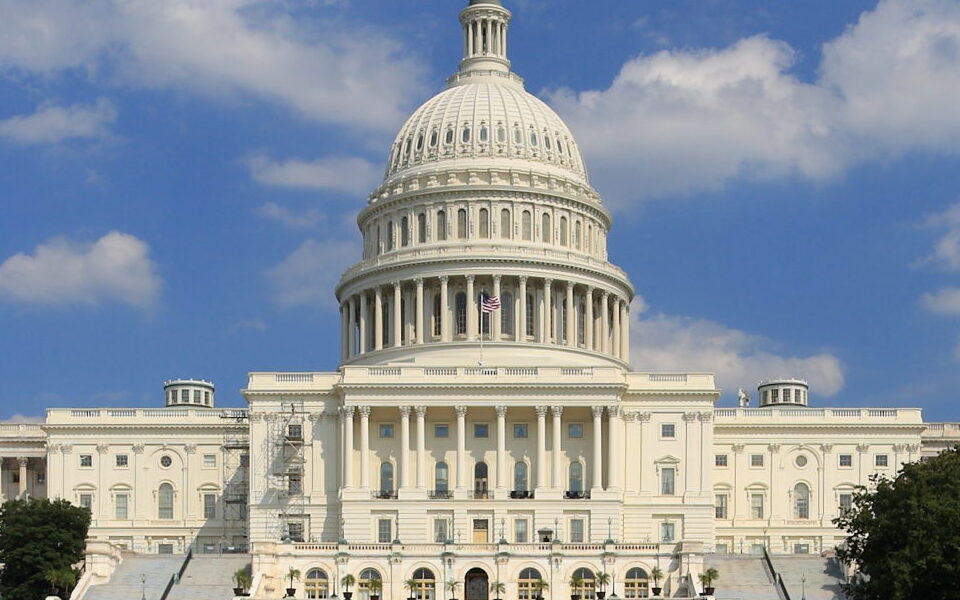
How a Shutdown Affects the Real Estate Economy
NAR has been monitoring government programs important to the real estate sector to assess the potential impact of a shutdown. Here are eight programs in which NAR members might feel an impact.
National Flood Insurance Program (NFIP)
During a lapse of authority, the NFIP, administered by FEMA, cannot sell new or renewal insurance policies. However, existing NFIP policies will remain in effect until their expiration dates, and claims will continue to be paid until the funds are depleted. Home buyers can also continue to assume the seller’s policy during a lapse, and most insurance regulators suspend the flood insurance requirement for the duration. Private market flood insurance is also an option.
NFIP lapses introduce uncertainty into real estate markets. Buyers may be unable to obtain coverage before closing, and owners may face delays in processing claims if there is an extended lapse. To avoid complications, buyers should secure NFIP coverage well before the expiration date or consider private flood insurance. Even minor flooding can cause significant damage, and NFIP can pay claims only while funding remains available.
NAR is urging Congress to support long-term reauthorization and reform of the National Flood Insurance Program (NFIP). Last month, Senators Cory Booker (D-N.J.) and Bill Cassidy (R-La.) requested public input on 46 questions covering NFIP reauthorization, mapping, mitigation and other reforms. On Sept. 15, NAR submitted a letterpdf to the senators and the Senate Banking Committee, thanking them for the opportunity and outlining several key recommendations.
Government-Sponsored Enterprises
During previous shutdowns, Fannie Mae and Freddie Mac have continued normal operations since they are not reliant on appropriated funds. However, there are four key areas of consideration:
Verification of Employment: For home buyers employed by the federal government, both Fannie Mae and Freddie Mac allow for verification of employment to occur after closing but prior to delivery of the loan.
Tax Transcripts: Freddie Mac requires all borrowers to sign a 4506T (Request for Transcript of Tax Return) request form before a transaction’s closing, but the request does not have to be processed prior to the closing. Fannie Mae requires the same unless the borrower’s income can be verified through Fannie Mae’s proprietary Desktop Underwriter verification system, in which case no 4506T is required. During past government shutdowns, the IRS suspended the issuance of tax return transcripts.
Verification of Social Security numbers: Sometimes, Social Security numbers are disputed and must be verified. Fannie Mae allowed lenders to verify the numbers prior to delivery during the 2018 shutdown as a precaution, but did not allow delivery if the numbers were not confirmed. Freddie Mac does not require verification of a Social Security number.
Proof of flood insurance coverage application: Both Freddie Mac and Fannie Mae require a completed flood insurance application and a copy of the check for the first premium, a settlement statement reflecting payment of the initial premium, or an assignment of an existing policy from the previous owner.


